ROB REINER: FROM REJECTED A-LISTER TO POLITICAL POWERHOUSE!
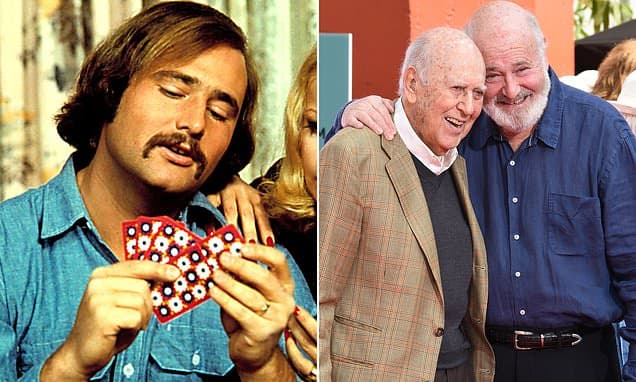
Rob Reiner, son of legendary director Carl Reiner, has drastically evolved from his early struggles to becoming a powerful figure in both Hollywood and politics. This transition illustrates his determination to carve out his identity separate from his father, best known for creating The Dick Van Dyke Show in 1961.
Previously, Rob Reiner faced rejection early in his career. Despite his A-list lineage, he initially found it difficult to escape the shadow of Carl Reiner. This resistance inspired him to work harder, eventually leading to his breakout role as Michael Stivic on All in the Family, which premiered in 1971. His performance earned him four Emmy Awards, setting the stage for his directorial career.
Transitioning to directing, Reiner's 1984 film This Is Spinal Tap redefined the mockumentary genre, influencing many filmmakers afterward. This film marked the beginning of his directing success, with subsequent hits such as Stand By Me (1986) and A Few Good Men (1992). Notably, A Few Good Men earned $243 million globally, cementing his status in Hollywood.
According to industry sources, Reiner's filmography reflects his commitment to storytelling that addresses social issues. Similar to fellow directors like Ron Howard, whose career also blossomed from an acting background, Reiner's films often carry political undertones.
In recent years, Reiner has become increasingly vocal about political matters. He founded the nonprofit organization, the American Foundation for Equal Rights, in 2009. This organization was pivotal in the legal battle for same-sex marriage, similar to how other celebrities such as Ellen DeGeneres have used their platforms for activism.
Currently, Reiner is working on a new film project set to be released in 2025. This project aims to explore themes of resilience and social justice, reminiscent of his earlier works that highlight similar issues.
Additionally, Reiner's personal life has been intertwined with Hollywood gossip, particularly his relationship with actress Penny Marshall, whom he married in 1971 but divorced in 1981. This echoes the trend of high-profile relationships ending in divorce among celebrities, much like the unions of other Hollywood couples such as Tom Hanks and Rita Wilson.
In conclusion, Rob Reiner’s journey from the son of a famous director to a successful filmmaker and political advocate showcases a significant evolution in his career. As he continues his work in film and politics, industry watchers anticipate that he will maintain his influence on future generations, reminiscent of his father's legacy.
This narrative of overcoming expectations highlights Reiner's tenacity, making him a noteworthy figure in both entertainment and social advocacy.
Celebrity Photos
8 photos

MrBeast Claims "Negative Money" Amidst $2.6 Billion Net Worth

THOMAS CAUSEY: THE SOUND ENGINEER WHO MADE MOVIES COME ALIVE!

Musician Jackson Browne Mourns the Loss of His Son Ethan at Age 52

JESSICA SIMPSON REUNITES WITH CHICKEN OF THE SEA FOR A TUNA-TASTIC COLLAB!

Maya Jama: Sipping Cocktails or Shedding Tears in Cape Town?

Becca Tobin SLAMS Hilary Duff's Hubby: 'Petty' Drama in Mom Group!

Blac Chyna Turns the Tables: Claims Ex-Boyfriend Was the Real Abuser

KATIE PRICE in Hot Water Again: Neighbors Rage Over Rubbish at Her New Pad!